

What Does a Gas Engineer Boiler Do?
Gas engineers face dangers in their job. When they work in homes, they might encounter asbestos or other harmful materials that could trigger explosions and fires. They must be prepared to face such dangers and be aware of ways to reduce their risk.
While gas boilers are slowly being replaced by more sustainable heating options, it doesn't mean that becoming a gas engineer is no longer a viable career choice. There are a variety of reasons.
Qualifications
A gas engineer boiler is a great way to keep businesses and homes warm and efficient by handling heating systems as well as water heaters kitchen appliances, and more. They also ensure safety in commercial settings such as restaurants and hotels. They also collaborate with more sophisticated systems in manufacturing industries to ensure that equipment is operating properly. They may also repair or upgrade these systems to avoid leaks and breakdowns. Some gas engineers specialise in a specific type of system or appliance, gaining expertise over time, while others work on many different types of systems and appliances.
In addition to professional training and certifications, gas engineers must be able to interact with clients and ensure that the job is completed correctly. This is due to the fact that they are usually located on the client's premises and clients may be worried about their property or business being damaged due to work that isn't in compliance with the standards. They must also be able to follow strict safety and health regulations.
The requirements for a gas engineering career generally consist of formal education and work experience. Some students decide to enroll in a college course in plumbing and heating while others may take on an NVQ (National Vocational Qualification) apprenticeship, which provides classroom-based learning and hands-on training in real-world situations. This training is structured into a number of phases, with each one focusing on specific aspects of the industry and offering trainees a full understanding of how to work efficiently and safely.
These programs are specifically designed for new entrants, and combine classroom instruction and practical workshops, on site assignments, and eLearning. These training programs are often shorter than traditional apprenticeships, with a goal of providing students with a a comprehensive education in the field. They offer ACS certification in gas and plumbing fundamentals and training on specific appliances and systems such as gas cookers and boilers. Additional certificates can be added to expand a gas engineer's expertise.
Gas Safe registration is also essential for all gas engineers. Gas Safe registration assures that gas engineers are competent to work in the field, and also gives them access to resources and support from the Gas Safe Register. When hiring a gas engineer, it is essential to verify their Gas Safe registration number, which can be found on their ID card. It is also worth checking whether the person has an up to date ACS certificate.
The Right to Rent
A boiler warranty can be an investment worth it, providing homeowners peace of mind knowing their new boiler will be protected in the event of a malfunction. Most manufacturers offer a two-year guarantee on their products, and some even extend that coverage to five or 10 years. Whatever the duration of the warranty, it's crucial to read the fine print and know what's covered prior to purchasing.
Keep the boiler's documentation in a secure location to make it easy to find it if you need to file an claim. A concise description of the issue will streamline the process and ensure your claim is processed quickly. It is also essential to be proactive, and have a maintenance schedule in place in order to prevent issues from occurring.
Boiler warranties generally require regular annual service from Gas Safe registered engineers to maintain their validity. In the event of a violation, it may void the warranty and lead to expensive repairs or replacements. Some manufacturers require their own installers service their appliances. Examine your warranty documentation to determine if this is the case.
A qualified heating engineer can offer a complete boiler service, that includes everything from examining the combustion seals to checking the flue and other internal components. They'll likely run a series of tests to ensure your boiler is functioning safely and efficiently for example, the detection of carbon monoxide leaks, and taking readings of oxygen levels. They'll also examine the flue for signs of wear and tear and ensure that it's working properly.
Boiler warranties must be registered quickly to activate the coverage. many manufacturers have specific requirements to maintain their coverage. This includes making use of only approved installers and parts and scheduling annual maintenance with an Gas Safe registered engineer, and following the other specific guidelines that are outlined in the boiler's manual. Additionally, certain warranties are transferable when a homeowner sells their home. In this instance it is crucial to review any documents regarding transferability of boilers or boilers. You can save money by preparing and knowing how to proceed.
Installation
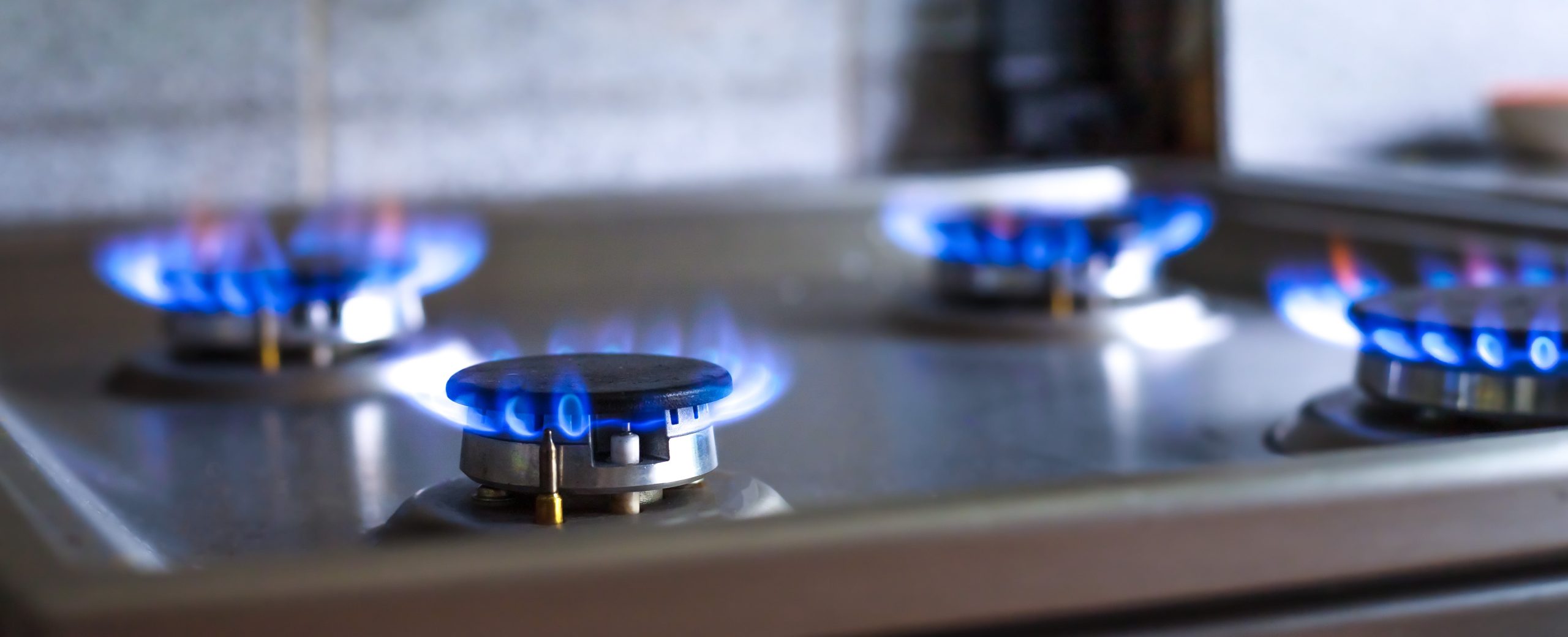
The first step in the boiler installation process is to arrange for the Gas Safe registered engineer to visit your home. The engineer will assess your hot water and heating requirements and inspect your home to determine the best location for the new boiler. They will also walk you through the different boiler types - combi regular or system and suggest one suitable for your home. Once you've decided the boiler that you prefer, the engineer will give you a clear quote that breaks down the costs for both equipment and installation work.
It is a good idea to clear the area around your existing boiler on the day of installation to give the technician plenty of space to work. This will help to speed up the process and also ensure the safety of the expert. It's also important to switch off the water and gas supplies prior to their arrival.
The engineer will test the boiler once it is installed to verify that it is functioning correctly. This includes gas tightness as well as let-by test. These tests are intended to make sure that there is no leakage and that the boiler's output is appropriate for your home. They will also check that the gas valves function properly, and also examine the flue for obstructions.
The engineer will then complete an exhaustive inspection and test of all the wiring to ensure that it is in compliance with all electrical regulations. The engineer will then set up the unit, which is the process to make it run efficiently. They will adjust the flow of gas and water and adjust the output to suit the requirements of your home. They will also check the pressure of your boiler. This is an essential security measure.
A boiler that is not compliant can be dangerous and lead to costly repairs, high energy bills, or even health issues. It is recommended to only select an installer who is registered with Gas Safe for any gas-related job. To keep gas safe register engineer running safely and efficiently, homeowners should also have their annual maintenance performed by a Gas Engineer who is registered.
Maintenance
As a gas engineer, you must be able to service and repair boilers to ensure that them operating correctly. You can offer this service as a one-time offer or as part of an annual maintenance plan. You should be able provide an extensive list of services that includes:
In addition to the safety checks Your responsibilities as a gas engineer might include conducting efficiency tests and adjustments. You can adjust your boiler and save energy. You may also look for gas leaks and ensure that the thermostat is functioning correctly.
Many gas engineers opt to specialize in the repair of certain appliances or systems like boilers. This allows them to gain an extensive amount of knowledge and become a specialist in their area of expertise. It can also help them improve their job security and attract clients.
A boiler service is an inspection thorough of all components. The engineer will examine the ventilation and flue paths to ensure that harmful gases are eliminated properly. Carbon monoxide can be deadly. This is why it's important to prevent leaks. The engineer will also inspect the combustion chamber, internal electrical circuits, and other components for indications of wear or damage.
If required local gas engineer cleans the boiler to eliminate dirt and debris. This will prolong the lifespan of your system and improve its efficiency. They will also check flow and pressure settings for the gas and water supplies. They will also check the flue and air vents terminals for the proper sealing and openness.
Landlords must conduct an inspection of gas safety under the Landlord and Tenant Act of 1954. It is recommended to request an engineer's ID before hiring them, as it will allow you to determine if they're qualified and reliable. You should also inquire about proof of insurance coverage.